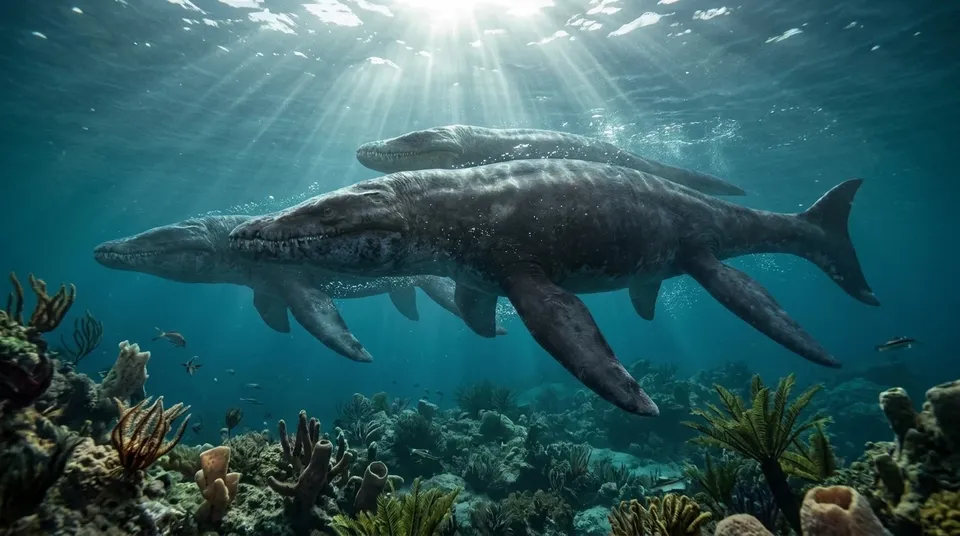
The apex predator of the ocean
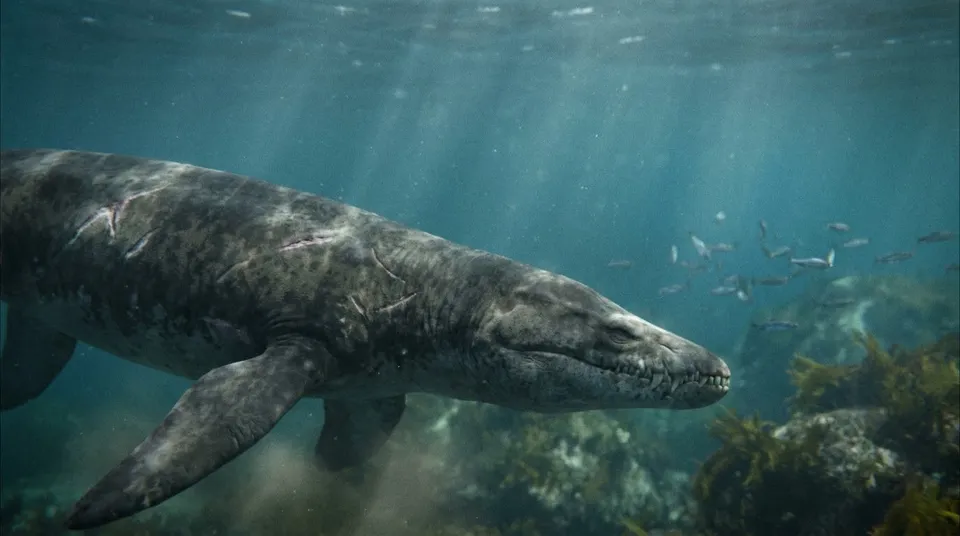
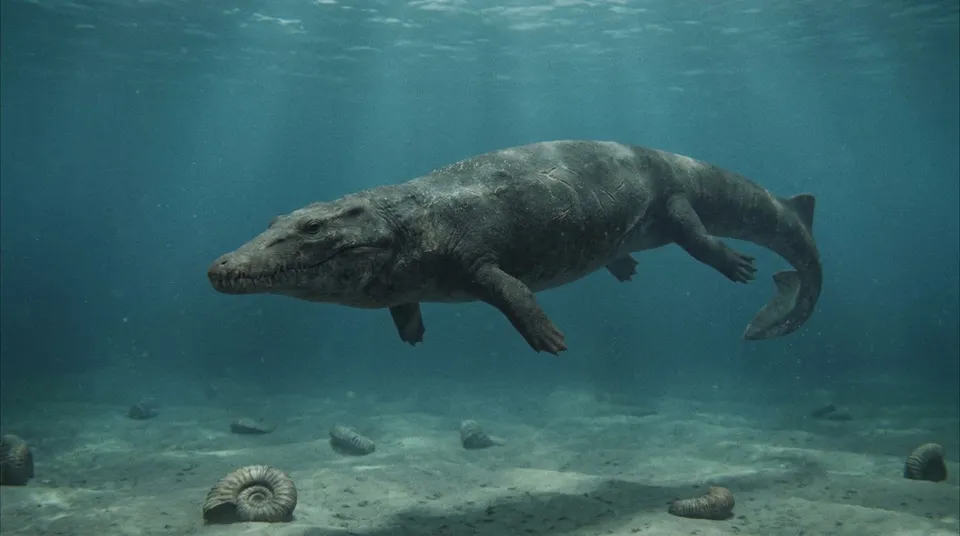
Pliosaurus was a large, short-necked marine reptile, a later and bigger relative of Liopleurodon. It lived in the Late Jurassic, and many of its fossils come from the Kimmeridge Clay of southern England. The largest individuals are thought to have reached about 10 to 12 metres, making them the top predators of their seas, able to hunt other marine reptiles.
The skull from the cliff
In 2022 fossil enthusiast Phil Jacobs spotted the tip of a snout on the beach at Kimmeridge Bay in Dorset. With local palaeontologist Steve Etches, a team spent about three weeks extracting the rest of the skull from the cliff face, hanging on ropes. The skull is just under 2 metres long and about 95% complete, recognised as the most complete Pliosaurus skull ever found.
It was shown in a BBC documentary presented by David Attenborough in January 2024 and is displayed at the Etches Collection museum in Kimmeridge. Its teeth have fine ridges that may have helped it grip and pierce prey quickly.
Giant, but how giant?
Size estimates for big pliosaurs are notoriously uncertain because complete skeletons are rare. For the Etches skull, researchers at the University of Bristol estimated an animal of 8 to 9 metres, while others have suggested more. A 2026 study that rebuilt pliosaur proportions from the best skeletons found the largest Late Jurassic pliosaurs reached around 12 metres, far less than the 15 to 25 metres sometimes claimed.
“Predator X” from the Arctic
Richard Owen named Pliosaurus in 1841. Since then several species have been described, including large ones from England like Pliosaurus kevani and P. carpenteri.
In 2006 and 2008, a Norwegian team led by Jørn Hurum excavated the remains of very large pliosaurs on the Arctic island of Spitsbergen, in the Svalbard archipelago. One was nicknamed “Predator X” by the press. In 2012 the material was described as a new species, Pliosaurus funkei. The skeletons were incomplete and the early size claims were later revised, a reminder that the size of giant marine reptiles is often exaggerated before the scientific work is done.
Swimming with four wings
Pliosaurs and plesiosaurs swam with four large flippers instead of a tail fin, a body plan seen in no living animal. How they used all four has been debated for a long time. A 2017 study used robot flippers in a water tank and found that when the back flippers moved in time with the front ones, they generated much more thrust and efficiency.
That suggests Pliosaurus could accelerate quickly, an advantage for an ambush predator. With an enormous skull and conical teeth, it could take large prey, including other marine reptiles. Bite marks on bones from the Kimmeridge Clay show that big pliosaurs did exactly that.
Measurements are estimates based on fossils and can change as new specimens are found. Illustrations on this page are artist reconstructions, not photographs.
 See it in our documentaryA Day in the Jurassic21 min · chapters, the science behind the film and sources