The top predator of its world
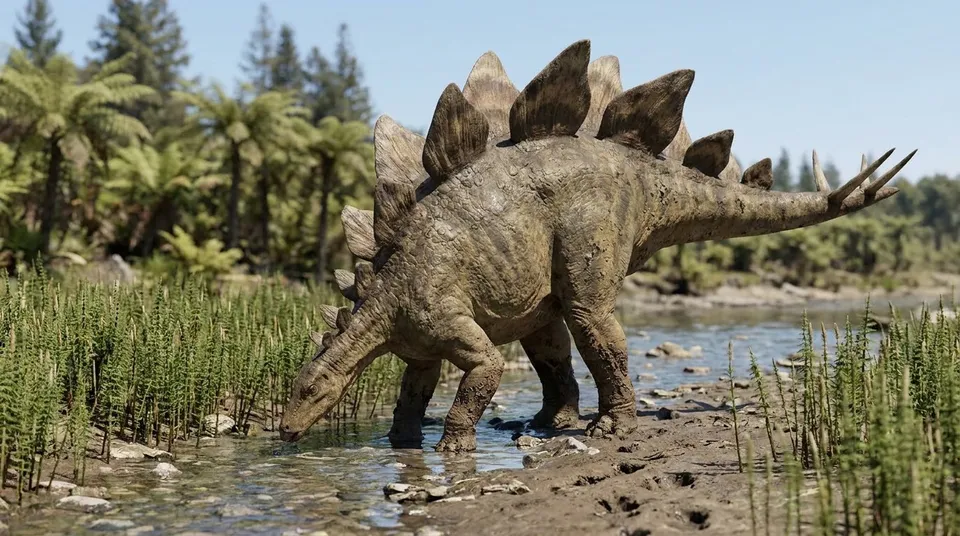
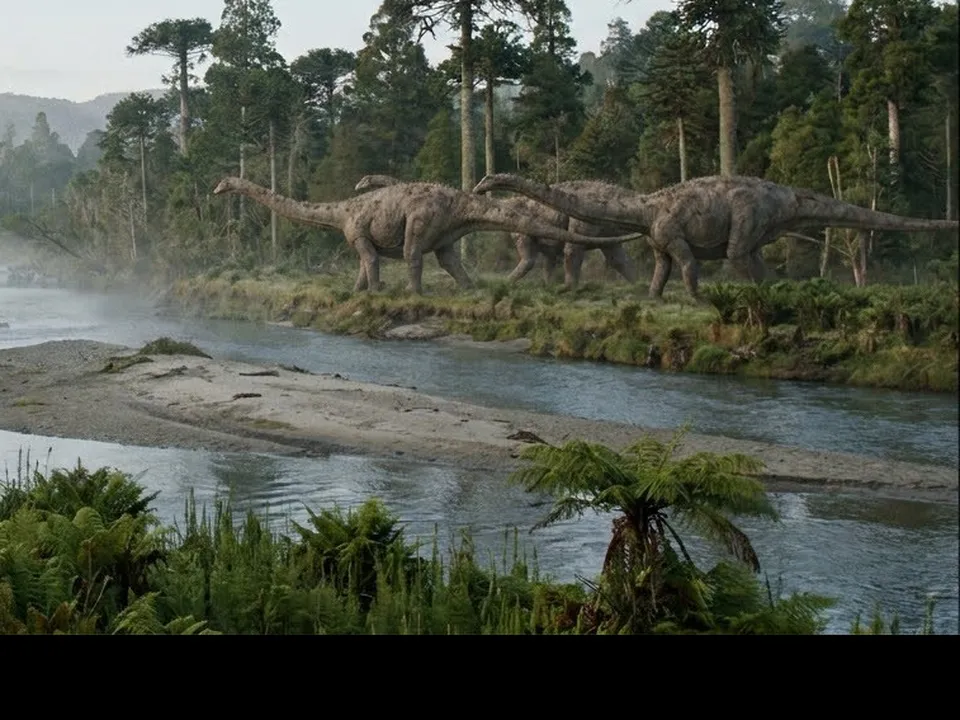
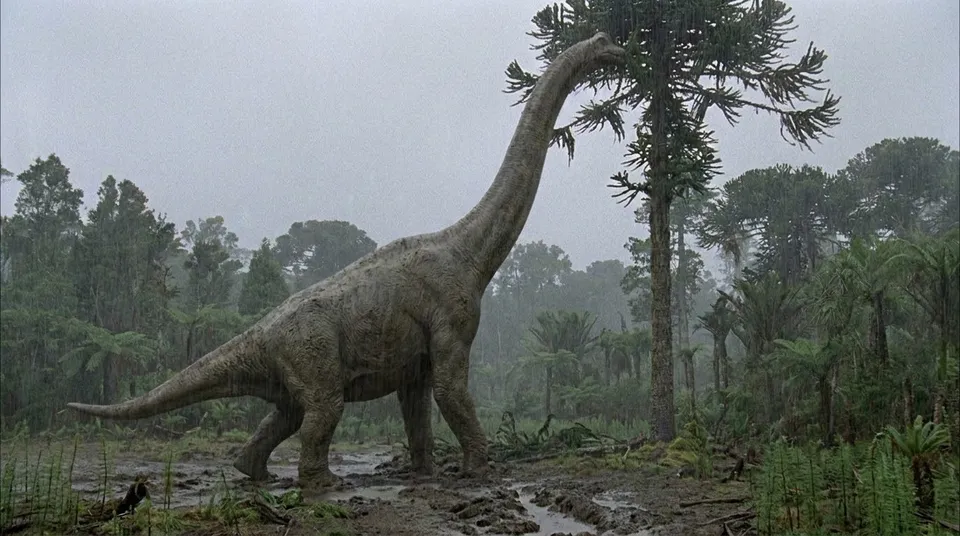
Allosaurus was a large, two-legged meat-eater that hunted across the floodplains of what is now the western United States between about 155 and 145 million years ago. It is the most abundant big predator in the Morrison Formation, the famous band of Late Jurassic rock that also gave us Stegosaurus, Diplodocus and Brachiosaurus.
Because so many skeletons have been dug up, including a single Utah quarry that held the remains of dozens of individuals, Allosaurus is one of the most thoroughly studied dinosaurs in the world. It became the state fossil of Utah in 1988.
Built for slashing, not crushing
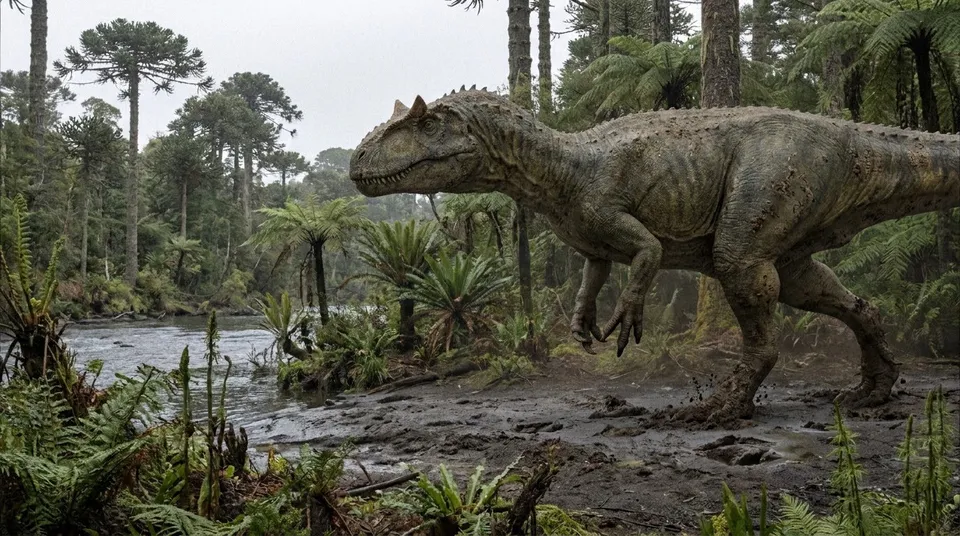
An average adult was around 8.5 metres long, and the largest specimen that can be confidently assigned to the genus reached about 9.7 metres. Weight estimates vary a lot between studies, from roughly one tonne for a typical adult to more than two tonnes for the biggest animals.
Its skull was long, narrow and surprisingly light, with a pair of small horns in front of the eyes and dozens of serrated, blade-like teeth. Studies of the skull’s strength suggest Allosaurus had a relatively modest bite for its size but a very strong skull. The likely strategy was to open its jaws wide and drive the upper teeth into prey like a hatchet, slicing deep wounds rather than crushing bone the way Tyrannosaurus did tens of millions of years later.
Its arms were short but strong, each ending in three large curved claws, probably used to grip struggling prey.
A life full of injuries
Allosaurus skeletons are famous for their damage. A young adult nicknamed Big Al, found in Wyoming in 1991 and about 95% complete, shows more than a dozen injured or infected bones, including broken ribs and a badly infected toe that may have left it unable to hunt. In 2020 Big Al was assigned to a separate, slightly older species, Allosaurus jimmadseni.
One Allosaurus tail vertebra from Utah has a round hole punched through it that matches the shape of a Stegosaurus tail spike, and the bone around it shows signs of infection. It is one of the clearest pieces of direct evidence for a fight between two dinosaur species: the predator survived the blow, at least for a while.
Allosaurus in Portugal
Allosaurus fossils have also been found in the Lourinhã Formation of western Portugal, rocks of the same age as the Morrison Formation. At the time, the North Atlantic was only a narrow sea, and the two regions shared many animals, including Allosaurus, Torvosaurus, Ceratosaurus and Stegosaurus.
In 2006 the Portuguese material was named as a new species, Allosaurus europaeus. Scientists still disagree about it: a 2025 re-study argued the species is valid, while other researchers consider the Portuguese fossils to belong to the American species Allosaurus fragilis. Either way, Allosaurus hunted on both sides of the young Atlantic.
Did it hunt in packs?
Finding many Allosaurus together in one quarry led to the idea that they hunted in groups. The evidence is weak. Mass bone beds can form when animals die at a drying waterhole or are swept together by floods, and some researchers argue that Allosaurus, like many living reptiles and birds of prey, was more likely to gather around carcasses than to hunt as a coordinated team. For now, the honest answer is that we do not know.
Measurements are estimates based on fossils and can change as new specimens are found. Illustrations on this page are artist reconstructions, not photographs.
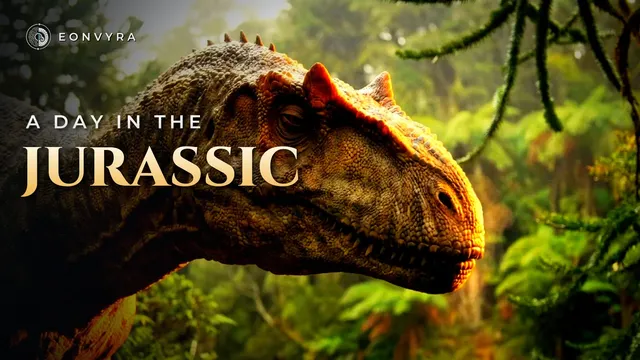 See it in our documentaryA Day in the Jurassic21 min · chapters, the science behind the film and sources
Sources
- Carpenter et al. (2005). Evidence for predator–prey relationships: examples for Allosaurus and Stegosaurus. The Carnivorous Dinosaurs, Indiana University Press.
- Rayfield et al. (2001). Cranial design and function in a large theropod dinosaur. Nature 409.
- Chure & Loewen (2020). Cranial anatomy of Allosaurus jimmadseni. PeerJ 8:e7803.
- Foth et al. (2015). New insights into the lifestyle of Allosaurus based on another specimen with multiple pathologies. PeerJ 3:e940.
- Burigo & Mateus (2025). Allosaurus europaeus revisited and taxonomy of the genus. Diversity 17(1):29.